Finance · Top Story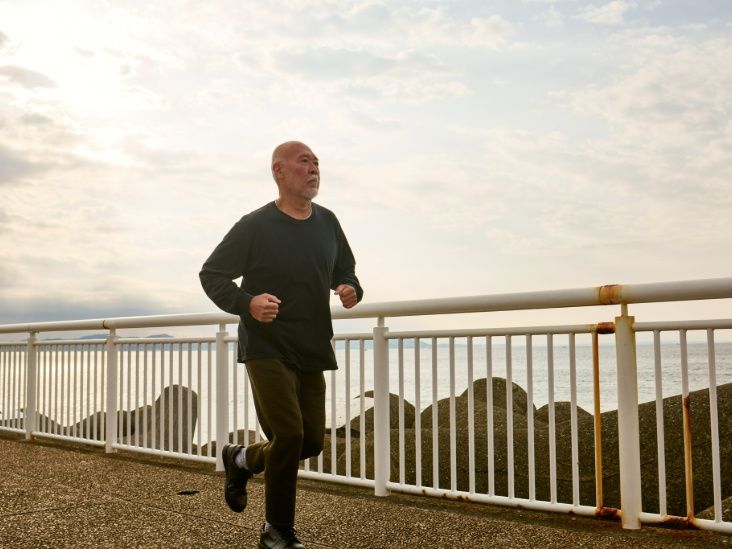
Share on Pinterest An enhanced diet and exercise program may support men during prostate cancer treatment, according to a new study. Researchers say a monitored program of diet, exercise, and behavioral support may improve prostate cancer treatment outcomes. The scientists reported that men undergoing androgen deprivation therapy (ADT) for prostate cancer who followed the lifestyle regimen known as STAMINA experienced improved quality of life.
Experts say a healthy lifestyle regimen that includes a balanced diet and regular exercise can be beneficial for those with cancer. The STAMINA program was a five-year research project funded by the National Institute for Health Research (NIHR) in the UK. It was designed to assess the long-term impact of supervised exercise training on quality of life and fatigue in men on ADT. The study monitored 700 men receiving ADT at 15 NHS facilities in England, with a median age of 71. Over 80% of participants in the STAMINA group attended sessions over 12 months, showing better quality of life and less fatigue compared to standard care.
The STAMINA regimen—regular exercise, dietary advice, and behavioral support—reduced deterioration in quality of life by up to one-third. The study authors noted it aligns with NHS best practices for exercise and dietary interventions to mitigate ADT side effects. Nuffield Health plans to expand STAMINA to breast and bowel cancer in 50,000 medical facilities by 2030.
The American Cancer Society (ACS) estimates over 330,000 new prostate cancer cases in the U.S. in 2026, with 36,000 deaths. Early-stage detection improves the 99% 5-year survival rate. Risk factors include age over 50, family history, and obesity. Advanced-stage symptoms include frequent urination, erectile dysfunction, and pain. Treatments include surgery, radiation, chemotherapy, immunotherapy, hormone therapy, and observation.
Dr. Ying Wang, PhD, and Dr. S. Adam Ramin, MD, emphasize lifestyle modifications—such as leafy greens, legumes, and exercise—to reduce inflammation and support recovery. The ACS recommends 150 minutes of moderate exercise weekly, alongside a diet rich in fruits and vegetables. Behavioral coaching is also highlighted as crucial for sustained adherence.
The study’s findings were published in *The Lancet Oncology* on September 4, 2024.
Source: Healthline